 Mark Luigi Dacumos
Why Tenant Rights Matter More Than Ever
As a renter, understanding your rights is crucial, especially when the stability of your home is at stake. Many tenants must be aware of the protections in place to ensure they have safe, secure housing. Landlords have certain obligations, but unfortunately, not all of them follow the rules. Knowing what you’re entitled to as a renter can help you avoid unfair treatment, unexpected evictions, or sudden rent hikes. Whether you’re dealing with maintenance issues, unclear lease terms, or potential eviction, tenant rights offer a safety net that can make a big difference in your housing experience.
What Are Your Rights as a Tenant? Key Protections to Know
Every tenant has the right to a safe and habitable living space. This means landlords must maintain basic living standards, ensuring that your rental is free from hazards like mold, structural damage, or pest infestations. If these issues aren’t addressed promptly, you have the right to request repairs or, in extreme cases, withhold rent until the problem is resolved.
You also have the right to privacy. Landlords must give notice—typically 24 to 48 hours—before entering your home unless there’s an emergency. Additionally, discrimination is illegal under the Fair Housing Act. Whether you’re renting a studio or a three-bedroom apartment, you cannot be discriminated against based on race, color, national origin, religion, sex, disability, or familial
status.
Finally, your lease is your protection. It’s essential to understand the terms of your lease, including rent increases, security deposits, and rules about terminating the lease early. Leases
act as a binding contract, so if a landlord tries to enforce rules that aren’t written in your agreement, you have the right to challenge them.
Rental Assistance Programs: Help When You Need It Most

If you’re struggling to keep up with rent payments, rental assistance programs could be a lifeline. Whether you’ve lost your job, face unexpected medical bills, or are simply going through a tough financial patch, these programs can step in to prevent eviction and keep a roof over your head.
The most well-known rental assistance program is HUD’s Housing Choice Vouchers, commonly referred to as Section 8. This program helps low-income families, the elderly, and those with disabilities afford safe housing in the private market. Additionally, during times of crisis, temporary programs, like the Emergency Rental Assistance Program (ERAP), can help cover rent and utilities to avoid eviction.
It’s worth checking with local housing authorities and nonprofits, as they often have resources that can assist with rent or provide legal aid if you’re facing eviction. Many cities and states also offer rental assistance programs to help renters stay in their homes during financial hardship.
Facing Eviction: What You Can Do to Protect Yourself
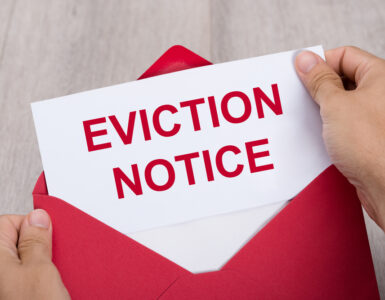
Eviction can feel like the end of the road, but it’s important to remember that there are legal processes in place to protect you. Landlords can’t just lock you out or remove your belongings without going through proper legal channels. Eviction typically requires a court order, and you have the right to challenge it in court. If you’re behind on rent, reach out to your landlord
immediately. Many times, they may be willing to work out a payment plan or accept partial payments to avoid eviction proceedings.
If you receive an eviction notice, take action right away. Legal aid services can help you understand your options and, in some cases, represent you in court. Many states have laws that provide additional eviction protections, especially during economic downturns or public health crises. Some places may even have eviction moratoriums in place, giving renters more time to catch up on payments.
For more details on preventing eviction, visit the National Low Income Housing Coalition to explore available resources.
The Importance of Rent Control and Stabilization Laws

In some cities, rent control or rent stabilization laws help keep rent prices from skyrocketing. These laws limit how much landlords can increase rent each year, ensuring that housing remains affordable, especially in high-demand areas. Rent control doesn’t just protect tenants from drastic price hikes—it also ensures that landlords can’t evict renters without just cause, which can provide long-term housing security.
While not every area has rent control laws, it’s worth looking into whether your city or state offers such protections. Areas like New York City and parts of California have robust rent control policies in place, while other regions are starting to adopt similar laws to address the growing affordability crisis.
How to Access Legal Help for Tenant Disputes
If you’re dealing with a difficult landlord, struggling to get repairs made, or facing eviction, legal help may be necessary. Fortunately, many organizations offer free or low-cost legal assistance to tenants. These groups can help you understand your rights, negotiate with your landlord, and, if needed, represent you in court.
The Legal Services Corporation (LSC) funds over 130 legal aid programs across the U.S. that provide support for low-income tenants. Additionally, local tenant unions and housing advocacy groups are often ready to help, offering advice, resources, and sometimes even legal representation.
For more information on legal assistance, you can visit the Legal Services Corporation website to find programs in your area.
Important Resources and Links for Tenants
Here’s a list of some essential resources for tenants seeking rental assistance, legal support, or information about tenant rights:
- HUD Rental Assistance
- Housing Choice Voucher Program (Section 8)
- Emergency Rental Assistance Program (ERAP)
- National Low-Income Housing Coalition
- Legal Services Corporation
- National Housing Law Project
- Fair Housing Act
These programs and organizations provide vital support for tenants facing housing issues, from offering financial help to ensuring legal protections. Understanding and utilizing these resources can be the key to securing stable housing and protecting your rights as a renter.