 Mark Luigi Dacumos
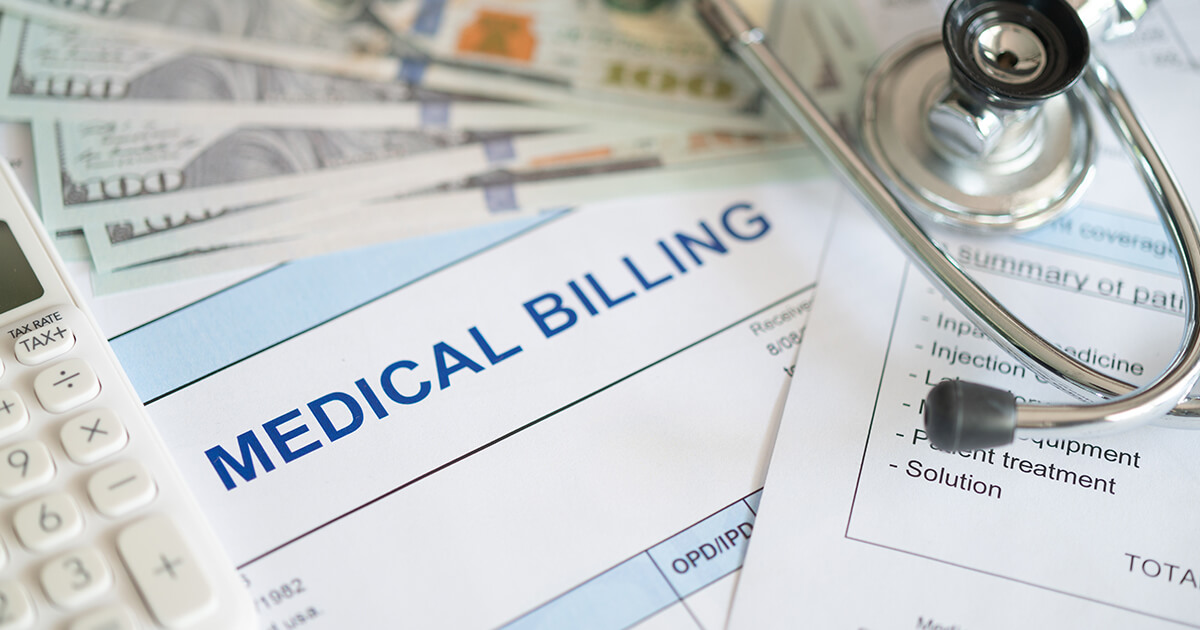
Medical bills are a major source of stress for millions of people, especially when unexpected health issues arise. A single hospital visit or emergency procedure can leave you with hefty charges that feel overwhelming. Even with insurance, deductibles, copayments, and uncovered services can pile up quickly, leading to financial strain. Many families struggle to balance their everyday expenses with mounting medical costs, making it hard to find a way out. But the good news is that there are options available to ease this burden, and financial aid can make a huge difference in managing medical debt.
Understanding Your Insurance and What It Covers
Before you explore other financial aid options, it’s crucial to understand exactly what your health insurance covers. Many people don’t fully realize the benefits they have under their current plan. Some insurance policies cover more than just basic hospital services—they may include coverage for specialized treatments, therapies, and even prescription drugs that could otherwise be expensive. Take the time to contact your insurance provider or check your policy details online. Ask questions about coverage, find out what portion of your bills are covered, and inquire about any secondary options like appeals for denied claims. Knowing what your insurance provides can significantly reduce out-of-pocket costs.
Government Programs That Offer Financial Assistance
If you’re facing high medical bills, several government programs can help ease the financial load. The U.S. government offers programs like Medicaid and Medicare that assist people with limited income or those over 65 years old with healthcare costs. Medicaid, in particular, helps low-income families cover everything from doctor visits to hospital stays, often at little to no cost.
Additionally, there are federally funded programs such as the Children’s Health Insurance Program (CHIP) for children from low-income families and the Health Resources & Services Administration (HRSA), which assists people without insurance.
You can find more information about these programs on the Medicaid website and Medicare’s website.
Nonprofit Organizations: A Lifeline for Medical Debt Relief
Nonprofit organizations are another excellent source of financial aid for those drowning in medical debt. Groups like the HealthWell Foundation and the Patient Advocate Foundation offer grants and assistance to help cover costs that insurance doesn’t. These organizations provide a safety net by helping with co-pays, prescriptions, and even the cost of transportation to medical appointments. Another helpful nonprofit is RIP Medical Debt, which focuses on purchasing and forgiving large amounts of unpaid medical debt. Many people have found relief through these organizations, which offer a lifeline when other options feel out of reach.
If you’re struggling, consider exploring resources from the HealthWell Foundation and Patient Advocate Foundation.
Hospital Financial Aid Programs: Don’t Overlook This Option
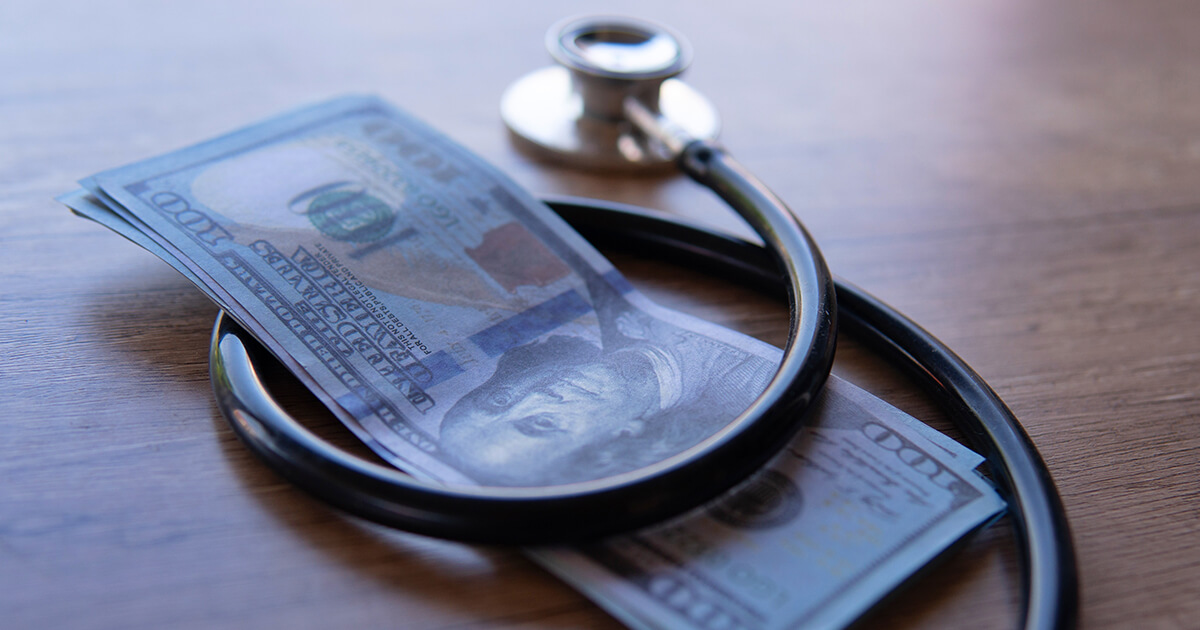
Many hospitals offer financial aid or charity care programs specifically designed to help patients who cannot afford their medical bills. These programs are often underutilized, but they can be a huge help if you qualify. Typically, hospital financial aid programs are based on income level and your ability to pay. Even if you’re uninsured, hospitals are sometimes willing to reduce your bills or set up no-interest payment plans. Be sure to contact the billing department of your hospital
and ask about any financial assistance they may offer. It’s important to apply as soon as possible to avoid having your bills sent to collections, which can add unnecessary stress and affect your credit score.
Negotiating Your Medical Bills: Yes, It’s Possible
Many people are unaware that they can negotiate their medical bills directly with healthcare providers. This might sound intimidating, but hospitals and doctor’s offices are often willing to work with patients to lower costs or set up more manageable payment plans. Start by requesting an itemized bill to review all charges and look for errors, as medical billing errors are more common than you might think. Then, approach the billing department with your findings and discuss your financial situation. In some cases, you may be able to negotiate a discount or even have certain fees waived altogether.
If negotiation feels like too much to handle, you can also seek help from medical billing advocates. These professionals specialize in working with healthcare providers to reduce medical bills for patients, ensuring you get a fair deal.
Prescription Assistance Programs: Don’t Let Drug Costs Drain Your Budget
Prescription medications can be one of the most expensive aspects of healthcare, especially for chronic conditions. Fortunately, several assistance programs can help you manage the cost of your medications. Many pharmaceutical companies offer patient assistance programs (PAPs) that provide free or low-cost medications to those who qualify based on income. Additionally, nonprofit organizations like NeedyMeds and the PAN Foundation help patients cover prescription drug costs, offering a range of resources to alleviate the financial burden. By
enrolling in these programs, you can access the medications you need without letting the high cost drain your finances.
For assistance with medication costs, visit NeedyMeds or the PAN Foundation.
Crowdfunding: An Alternative Way to Get Help
In today’s digital age, crowdfunding has become a powerful tool for those struggling with medical expenses. Platforms like GoFundMe allow individuals to share their stories and request financial help from friends, family, and even strangers. While it might feel uncomfortable to ask for money online, many people have found success through crowdfunding, especially when traditional financial aid options aren’t enough. The key is to be honest and transparent about your situation. Explain how the medical bills are impacting your life and what you plan to do with the money raised. Crowdfunding can offer a sense of community support during a difficult time.
Looking Ahead: Steps to Prevent Future Medical Debt
Once you’ve tackled your current medical bills, it’s essential to take steps to avoid falling into the same situation in the future. Start by considering supplemental health insurance, which can help cover out-of-pocket expenses not included in standard health plans. Additionally, maintaining a healthy lifestyle and scheduling regular checkups can prevent more costly medical emergencies down the road. If you’re managing a chronic condition, make sure to stay on top of your treatment plan to avoid unexpected hospital visits. By being proactive about your health and financial planning, you can reduce the risk of facing overwhelming medical bills again in the future.
Useful Resources and Links
- Medicaid
- Medicare
- HealthWell Foundation
- Patient Advocate Foundation
- NeedyMeds
- PAN Foundation
- RIP Medical Debt
- GoFundMe
These resources provide essential financial aid for managing medical bills. Whether through government assistance, nonprofit organizations, or direct negotiations, there are ways to tackle medical debt and find relief during tough times.